
Izvan razumne sumnje


Language


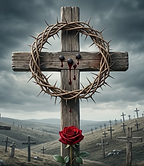


The True Gospel
e


The spiritual path begins with a direct call from Yeshua: “Repent, for the kingdom of heaven is at hand.” This imperative is the doorway to salvation—a foundational, inward shift away from sin and a fallen world, and a redirection of the heart toward the sovereign authority of God.
-
Matthew 4:17 — “From that time Jesus began to preach, and to say, ‘Repent: for the kingdom of heaven is at hand.’”
-
Mark 1:15 — “And saying, ‘The time is fulfilled, and the kingdom of God is at hand: repent ye, and believe the gospel.’”
2. The Doorway: Water Baptism and the Holy Spirit
Following the resurrection and ascension of Yeshua, Peter declared the active steps of covenant entry at Pentecost: turning in repentance, being buried with Messiah in baptism, and receiving divine empowerment through the Spirit.
-
Acts 2:38 — “Then Peter said unto them, ‘Repent, and be baptized every one of you in the name of Jesus Christ for the remission of sins, and ye shall receive the gift of the Holy Ghost.’”
-
John 3:5 — “Jesus answered, ‘Verily, verily, I say unto thee, Except a man be born of water and of the Spirit, he cannot enter into the kingdom of God.’”
3. The Blood: Grafted into the Commonwealth of Israel
By the blood shed on the tree, the dividing wall of hostility was torn down. Nations once alienated from the promises and covenants are brought near and grafted as wild olive branches into the root of Israel.
-
Ephesians 2:12–13 — “That at that time ye were without Christ, being aliens from the commonwealth of Israel, and strangers from the covenants of promise, having no hope, and without God in the world: But now in Yesgua messiah ye who sometimes were far off are made nigh by the blood of Christ.”
-
Romans 11:17 — “And if some of the branches be broken off, and thou, being a wild olive tree, wert graffed in among them, and with them partakest of the root and fatness of the olive tree.”
4. The Commission: Gathering Others into the Harvest
Salvation is not walked in isolation; a grafted branch bears fruit. Believers are commanded to act as fishers of men and ambassadors, working to gather the lost into the Father’s house before the end.
-
Matthew 28:19–20 — “Go ye therefore, and teach all nations, baptizing them in the name of the Father, and of the Son, and of the Holy Ghost: Teaching them to observe all things whatsoever I have commanded you.”
-
Matthew 9:37–38 — “Then saith he unto his disciples, ‘The harvest truly is plenteous, but the labourers are few; Pray ye therefore the Lord of the harvest, that he will send forth labourers into his harvest.’”
-
Luke 14:23 — “And the lord said unto the servant, ‘Go out into the highways and hedges, and compel them to come in, that my house may be filled.’”
5. The Perseverance: Holding Fast Until the End
The culmination of salvation requires endurance through trials, testing, and persecution. The promise of the eternal crown belongs to those who do not turn back.
-
Matthew 24:13 — “But he that shall endure unto the end, the same shall be saved.”
-
Hebrews 10:35–36 — “Cast not away therefore your confidence, which hath great recompence of reward. For ye have need of patience, that, after ye have done the will of God, ye might receive the promise.”
-
Revelation 2:25–26 — “But that which ye have already hold fast till I come. And he that overcometh, and keepeth my works unto the end, to him will I give power over the nations.”
Pravo Evanđelje
Nigdje u Svetom pismu Ješua ne kaže da evanđelje govori o tome da On dolazi umrijeti za naše grijehe.
Što je Ješua propovijedao?
Mnogi bi bili šokirani kada bi saznali da Biblija definira evanđelje drugačije od onoga što im je uvijek bilo rečeno. Temeljito čitanje pokazuje da prihvaćanje Kristove krvi kao plaćanja naših grijeha - koliko god temeljno važno bilo - zapravo nije u središtu "dobre vijesti" koju je On donio i koju su apostoli nastavili propovijedati. Osim što je umro za naše grijehe, Ješua je došao na zemlju kao glasnik Oca Oca:
Dobra vijest je da je Jahve odredio Ješuu da najavi dolazak Njegovog kraljevstva ovdje na zemlji.
-
Ivan 8,38 Ja govorim ono što sam vidio kod svog Oca, a vi činite ono što ste čuli od svog oca.”
-
Iv 12,49-50 Jer nisam govorio sam od sebe, nego Otac koji me posla sam mi je dao zapovijed - što da govorim i što da govorim. 50 I znam da je njegova zapovijed život vječni. Dakle, što govorim, govorim kako mi je rekao Otac.”
-
Ivan 14,24 Tko mene ne ljubi, riječi mojih ne drži. A riječ koju slušate nije moja, nego Očeva koji su me poslali.
-
Luka 4:43 Ješua im reče: "Moram propovijedati kraljevstvo Jahvino
i druge gradove, jer sam u tu svrhu poslan."
Dok je Yeshua bio kategorički najvažnija osoba koja je ikada hodala ovom zemljom, Biblija jasno pokazuje da evanđelje koje je donio Yeshua nije bilo samo o njemu samom. Pročitajte Njegove izjave i dokažite ovo sami:
-
Matej 9:35 Ješua je prošao kroz sve gradove i sela, poučavajući u njihovim sinagogama, propovijedajući evanđelje o kraljevstvu i liječeći svaku bolest i nemoć. 36 Kad je vidio mnoštvo, sažalio se nad njima, jer su bili izmučeni i bespomoćni, kao ovce bez pastira...
-
Marko 1:14-15 Nakon što je Ivan bio zatvoren, Ješua je došao u Galileju propovijedajući
evanđelje o kraljevstvu Božjem i govoreći: "Ispunilo se vrijeme i približilo se kraljevstvo Božje. Obratite se i vjerujte u evanđelje".
43
-
Luka 8:1 Poslije toga dogodi se da je Ješua prošao kroz svaki grad i selo, propovijedajući i donoseći radosnu vijest [evanđelje] o kraljevstvu Božjem.
-
Luka 16:16 Zakon i proroci bili su do Ivana. Od toga se vremena propovijeda kraljevstvo Božje i svi jure u njega.
-
Matej 24,14 I lakše je nebo i zemlja proći nego jedna crtica zakona propasti. I propovijedat će se ovo evanđelje kraljevstva po svem svijetu za svjedočanstvo svim narodima, i tada će doći kraj.
Objava "dobre vijesti" - najbolja vijest koja se danas mogla čuti - koju je Otac dao preko Ješue, odnosila se na uspostavljanje Njegovog Kraljevstva na zemlji. Što je kraljevstvo?
To je u biti nacija, sa svim svojim građanima, zemljom i zakonima, kojom vlada vlada. U biblijskoj upotrebi, kraljevstvo također može značiti obitelj od jednog roditelja koja je prerasla u naciju.
Kraljevstvo ima četiri osnovna elementa:
-
kralj, vrhovni vladar ili upravni agent;
-
teritorij, sa svojim određenim položajem i određenim graničnim crtama;
-
podanici ili građani unutar te teritorijalne jurisdikcije;
-
te zakoni i oblik vladavine kroz koji se provodi volja vladara. Ako zanemarimo bilo koji od ovih bitnih elemenata - ako zanemarimo poruku koju je Ješua donio od Oca - imat ćemo iskrivljenu vjeru, onu koja neće donijeti spasenje.
Tko će biti kralj?
Nema sumnje da će kralj Božjeg Kraljevstva biti Ješua. Iako nije imao nikakvu civilnu vlast dok je bio na zemlji, kada se vrati, bit će "Kralj kraljeva i Gospodar gospodara" I. Timoteju 6:15; Otkrivenje 19:16; 17:14).
Drugi su proroci također prorekli dolazak kralja, ne samo Izraela i Judeje, već i širenja na cijeli svijet. Izaija nam govori:
Jer Dijete nam se rodilo, Sin nam je dan; i vlast će biti na Njegovom ramenu. I ime će mu biti Divni, Savjetnik, Bog jaki, Otac vječni, Knez mira. Povećanju Njegove vladavine i mira neće biti kraja, na Davidovom prijestolju i nad Njegovim kraljevstvom, da ga uredi i uspostavi sa sudom i pravdom od tog vremena nadalje, čak i zauvijek. Revnost Jahve nad Vojskama učinit će to. (Izaija 9,6-7)
Gdje će se Kraljevstvo uspostaviti? Dominantna laž koju je Sotona nametnuo čovječanstvu je vjerovanje da nečija duša odlazi u raj nakon smrti. Mnogi ljudi pretpostavljaju da je izraz Kraljevstvo Božje sinonim za nebo, ali Biblija uči da će, kada se Ješua vrati, Kraljevstvo Božje biti uspostavljeno na zemlji!
Prvo, primijetite kako Biblija u potpunosti opovrgava ideju "odlaska u raj" nakon smrti. Petar govori mnoštvu na dan Pedesetnice: "Ljudi i braćo, dopustite mi da vam slobodno govorim o patrijarhu Davidu, da je i mrtav i pokopan, a grob mu je s nama do danas.
.. Jer David nije uzašao na nebo" (Djela 2:29, 34). Ovaj "čovjek po srcu Božjem" nije na nebu, već je još uvijek u grobu! Naš Spasitelj to potvrđuje u
-
Ivan 3,13: "Nitko nije uzašao na nebo osim Onoga koji je sišao s neba, to jest Sina Čovječjega koji je na nebu."
-
Propovjednik 9:5,10 Mrtvi sveci Starog i Novog zavjeta podjednako spavaju u svojim grobovima, čekajući uskrsnuće - bez svijesti.
-
Job 14:14-15 Job opisuje čekanje na uskrsnuće na ovaj način: "Ako čovjek umre, hoće li opet živjeti? Sve dane svoje teške službe čekat ću, dok mi ne dođe promjena. Ti ćeš zvati, a ja ću odgovori Ti.
-
Otkrivenje 5:10, "I učinio si ih kraljevstvom (kraljevskom rasom) i svećenicima Bogu našemu, i oni će kraljevati na zemlji!"
-
Otkrivenje 11,15 Sedmi anđeo zatrubi: i začuše se jaki glasovi na nebu: "Kraljevstva ovoga svijeta postala su kraljevstva našega Jahve i njegova Sina, i on će kraljevati u vijeke vjekova!"
-
Otkrivenje 21:21. I vidjeh novo nebo i novu zemlju, jer prvo nebo i prva zemlja prođoše. Također više nije bilo mora. Tada sam ja, Ivan, vidio sveti grad, Novi Jeruzalem, kako silazi s neba od Boga, pripravljen kao nevjesta nakićena za svoga muža. I čuh jak glas s neba kako govori: "Evo, Božji šator je s ljudima, i On će prebivati s njima, i oni će biti Njegov narod. Sam Bog će biti s njima i biti njihov Bog. I Bog će izbrisati Ukloni svaku suzu s njihovih očiju; neće više biti smrti, ni tuge, ni plača. Neće više biti boli, jer prijašnje stvari su prošle.
…
-
Otkrivenje 21:1 Tko pobijedi, baštinit će sve, i ja ću mu biti Bog, a on će mi biti sin." Tko su podanici i građani Kraljevstva? Iako će cijelim svijetom vladati Ješua kada uspostavi Kraljevstvo na zemlji, neće svi na zemlji biti građani tog Kraljevstva. Svatko će biti podložan Kralju kraljeva, ali neće svi ući u to duhovno Kraljevstvo.
-
Ivan 3:3 Ješua je otkrio ovu istinu Nikodemu. Kad je Nikodem noću došao k Njemu, Ješua mu je rekao: "Zaista, kažem ti, ako se tko ne rodi nanovo, ne može vidjeti kraljevstva Božjega."
-
1. Korinćanima 15:50. Pavao je rekao Korinćanima "krv i tijelo [smrtni ljudi] ne mogu baštiniti kraljevstvo Božje; niti raspadljivost baštini neraspadljivost" Iako imamo fizičko tijelo od krvi i mesa, možemo biti nasljednici Kraljevstva, ali ne možemo ući u potpunosti u Kraljevstvo, niti ga možemo vidjeti, sve dok ne postanemo duh—dobivši slavno duhom sastavljeno tijelo u uskrsnuću.
To znači da, iako će cijelo čovječanstvo biti podložno Kraljevstvu kojim će Ješua vladati na zemlji, oni neće nužno biti dio njega.
Matej 25,31-34 Kad Sin Čovječji dođe u slavi svojoj i svi sveti anđeli s njim, tada će sjesti na prijestolje slave svoje. Pred Njim će se sabrati svi narodi i On će ih razlučiti jedne od drugih, kao što pastir razlučuje ovce od jaraca. I postavit će ovce sebi s desne strane, a jarce s lijeve. Tada će kralj reći onima s desne strane: "Dođite, blagoslovljeni Oca mojega, primite u baštinu kraljevstvo pripravljeno za vas od postanka svijeta." Kraljevstvom Božjim će, dakle, vladati Ješua, a naslijedit će ga oni koji su bili proslavljeni nakon što su uskrsnuli iz mrtvih. Uskrsli sveci — građani Božjeg Kraljevstva — vladat će zajedno s
Ješua nad preostalim narodima na zemlji (Danijel 7:27; 2. Timoteju 2:12; Otkrivenje 2:26-28; 5:9-10; 20:4-6; 22:5). Koji su zakoni Kraljevstva?
-
Suci 21:25. Zakon je jednostavno vodič koji ljudi trebaju slijediti kako bi osigurali koheziju, dogovor i mir u građanskim i međuljudskim odnosima. Bez shvaćenog standarda, kojeg provodi suvereni vladar, svatko bi djelovao prema vlastitom hiru ili želji, i ništa dobro ili vrijedno ne bi bilo proizvedeno. Kraljevstvo Božje nije drugačije.
-
1. Korinćanima 14:33 Bog nije autor zabune. Njegovo će Kraljevstvo biti mirno i uredno jer će se svatko tko uđe u njega dobrovoljno podložiti zakonu – zapovijedima – Božjem. Bog neće imati nikoga u svome Kraljevstvu tko svojim životnim uzorom pokazuje da ga neće poslušati.
-
(Matej 7:21-23; Hebrejima 10:26-31). Otkrivenje 12:17 opisuje svece kao one "koji drže zapovijedi Božje i imaju svjedočanstvo Ješuino.
Ove dvije izjave – ljubiti Boga i ljubiti bližnjega svoga kao samoga sebe – sažimaju prve četiri odnosno posljednjih šest zapovijedi. Zapovijedi samo dalje definiraju kako ljubiti Boga i voljeti čovjeka. Volimo Boga općenito tako što ga stavljamo na prvo mjesto, što ne koristimo fizička pomagala u štovanju, što ne nosimo njegovo ime uzalud i što svetujemo sedmi dan subote. Volimo čovjeka općenito tako što poštujemo roditelje, ne ubijamo, ne činimo preljub, ne krademo, ne lažemo i ne žudimo.
-
Ivan 14:15 "Ako me ljubite, zapovijedi moje držite." Tko ima moje zapovijedi i drži ih, taj me ljubi. Sebe njemu." "Ako me tko ljubi, držat će moju riječ; i moj će ga Otac ljubiti, i mi ćemo doći k njemu i kod njega se nastaniti. Tko mene ne ljubi, ne drži mojih riječi; i riječi koju slušate nije moj nego Očeva koji su me poslali."
The Gospel (in Hebrew, the Besorah—"good news") that Yeshua (Jesus) personally preached is summarized in Mark 1:14–15:
"Now after John was put in prison, Yeshua came to Galilee, preaching the gospel of the kingdom of God, and saying, 'The time is fulfilled, and the kingdom of God is at hand. Repent, and believe in the gospel.'"
While modern ears often hear "the gospel" defined exclusively as the mechanics of individual salvation (how to go to heaven when you die), Yeshua’s proclamation was broader, deeper, and grounded in the Hebrew Scriptures: the Gospel of the Kingdom of God (Besorat HaMalkhut).
He announced that the sovereign rule, authority, and covenant reign of the Creator had broken directly into this fallen world through the King Himself.
1. "The Time is Fulfilled" (Prophetic Arrival)
When Yeshua said the time was fulfilled, He was speaking to a nation longing for deliverance. The prophecies of Daniel (the timeline of Daniel 9 and the stone that crushes the kingdoms of the world in Daniel 2) and Isaiah were reaching their climax.
In Luke 4:18–19, He opened the scroll of Isaiah 61 in the Nazareth synagogue to define His mandate:
-
Preaching good tidings to the poor and humble.
-
Healing the brokenhearted.
-
Proclaiming liberty to the captives and the opening of prison to those who are bound.
-
Proclaiming the acceptable year of the Lord (the ultimate Jubilee release from sin and debt).
-
2. "The Kingdom of God is at Hand" (The Core Proclamation)
Yeshua did not preach an abstract philosophy; He preached an active government and reign:
-
Sovereignty over the Kingdom of Darkness: Every time Yeshua cast out a demon, healed incurable diseases, or raised the dead, He was demonstrating that Satan’s usurpation of the earth was being overthrown. "If I cast out demons by the finger of God, surely the kingdom of God has come upon you" (Luke 11:20).
-
The Nature of the King’s Reign: His kingdom was not of this worldly system—it did not advance through political intrigue, violence, or human armies (John 18:36). Instead, it advanced through truth, sacrificial love, humility, and righteousness.
-
Present and Future: The Kingdom is already here in the hearts and walk of those who submit to the King, and it is yet to come in its physical, global fullness when the King returns to establish His reign in Jerusalem (Zechariah 14; Revelation 11:15).
-
3. "Repent" (Teshuvah — A Complete Return)
To enter this Kingdom, the requirement was not a passive intellectual nod, but Teshuvah—a radical turning around:
-
Turning from Self-Rule to God's Rule: Repentance means laying down rebellion, secular autonomy, and false religious pretenses.
-
Internalizing the Commandments: In the Sermon on the Mount (Matthew 5–7), Yeshua explained the constitution of the Kingdom. He made it clear that He did not come to abolish the Law or the Prophets, but to fill them to the full (Matthew 5:17). Kingdom repentance goes beyond external legalism to the motives of the heart—eradicating lust, hatred, pride, and greed.
-
Fruit of Repentance: Just as John the Baptist warned, Yeshua taught that true repentance always bears observable, righteous fruit (Matthew 7:16–21).
-
4. "Believe in the Good News" (Covenant Faith & Allegiance)
In the biblical mindset, "belief" (emunah) is not merely agreeing that God exists; it is active loyalty, trust, and obedience to the King:
-
Trusting the Father’s Provision: Ceasing to worry about food, drink, and clothing like the nations do, but rather "seeking first the kingdom of God and His righteousness, and all these things shall be added to you" (Matthew 6:33).
-
Trusting the Sacrifice of the Son: Yeshua taught that He came "not to be served, but to serve, and to give His life a ransom for many" (Mark 10:45). The Good News is that the King took the curse of our disobedience upon Himself at Passover, shedding His blood to ratify the New Covenant (Matthew 26:28).
-
Victory Over the Grave: Yeshua promised that whoever hears His word and believes Him who sent Him has passed from death into life (John 5:24), anchored by His own resurrection as the firstfruits from the dead.
-
5. Summary: What Entering the Gospel Requires
In Yeshua's own words, walking in the Gospel means:
-
Denying Self: "If anyone desires to come after Me, let him deny himself, and take up his cross daily, and follow Me" (Luke 9:23).
-
Obeying the Father's Will: "Not everyone who says to Me, 'Lord, Lord,' shall enter the kingdom of heaven, but he who does the will of My Father in heaven" (Matthew 7:21).
-
Loving God and Neighbor: Loving the Lord with all your heart, soul, mind, and strength, and loving your neighbor as yourself (Mark 12:29–31).
-
Proclaiming the Kingdom to All Nations: "And this gospel of the kingdom will be preached in all the world as a witness to all the nations, and then the end will come" (Matthew 24:14).
In short, the Gospel Yeshua taught is the royal proclamation that God’s reign has arrived in His Messiah, calling every human heart to turn away from sin, enter covenant peace with the Father through the Son, and live as an obedient citizen of His eternal Kingdom.
In ancient kingdoms, when a king ascended his throne, he issued a royal charter or legal code declaring how his realm would be governed and what was expected of his subjects. In Matthew 5–7, Yeshua goes up on a mountain—echoing Moses ascending Mount Sinai—sits down in the posture of a reigning king and teacher, and delivers the manifesto of His newly inaugurated reign.
The Sermon on the Mount is not an impractical, idealistic philosophy, nor is it a checklist to earn salvation. It is the living, practical constitution of the Kingdom of God, dictating the character, inner motives, ethics, and daily allegiance required of every citizen walking under Messiah's rule.
1. The Preamble: The Citizen’s Internal Disposition (The Beatitudes)
Any national constitution opens with foundational values. Earthly empires prize military conquest, political clout, wealth, and self-assertion. Yeshua begins His charter (Matthew 5:3–12) by turning the world's value system completely upside down:
-
Poor in Spirit: Recognizing total spiritual bankruptcy and utter dependence on the King.
-
Mourning: Grieving over personal sin and the brokenness of a fallen world.
-
Meekness: Possessing harnessed strength, patience, and humility rather than violent ambition.
-
Hunger for Righteousness: Longing for God’s righteous order to prevail more than craving food or physical comfort.
-
Mercy and Purity of Heart: Extending forgiveness and maintaining undivided, uncorrupted loyalty to God.
-
Peacemaking: Actively reconciling estranged parties, reflecting the character of the Father.
These are not separate groups of people receiving different rewards; together, they describe the temperament of the citizen who has laid down self-rule.
2. The Citizen’s Public Office: Salt and Light
Citizens of the Kingdom do not live in isolationist enclaves; they are embedded directly into a decaying and dark culture (Matthew 5:13–16):
-
Salt of the Earth: In antiquity, salt was a preservative that arrested rot and decay. Kingdom citizens preserve truth, hold back moral corruption, and bring spiritual flavor to the societies they inhabit.
-
Light of the World: Light exposes danger and guides the traveler. Believers do not hide their allegiance to the King; their visible, tangible good works shine so that observers give glory directly to the Father.
-
3. The Legal Standard: Fulfilling and Internalizing the Law
In Matthew 5:17–20, Yeshua establishes the legal framework of His government, dispelling any thought of lawlessness or anarchy:
"Do not think that I came to destroy the Law or the Prophets. I did not come to destroy but to fulfill. For assuredly, I say to you, till heaven and earth pass away, one jot or one tittle will by no means pass from the law till all is fulfilled."
To "fulfill" (pleroo) in Hebrew thought means to bring the law to its fullest intended meaning and expression, not to abolish it. Yeshua contrasts the superficial, external legalism of the religious establishment with the King’s internal standard. Through a series of six antitheses ("You have heard that it was said... but I say to you"), He shows that the King's law governs the thoughts and desires before an act is ever committed:
-
Murder vs. Contempt: It is not enough to refrain from physical murder; harboring bitter anger, resentment, or hurling venomous insults (Raca) makes one liable to judgment (5:21–26).
-
Adultery vs. Lust: Purity is not just refraining from physical unfaithfulness; looking with covetous intent is adultery in the heart (5:27–30).
-
Oaths vs. Total Integrity: Citizens do not need elaborate religious oaths or legal loopholes to verify their truthfulness; their word is their bond—their "Yes" means yes, and their "No" means no (5:33–37).
-
Retaliation vs. Sacrificial Generosity: Rather than demanding immediate vengeance ("an eye for an eye"), citizens yield personal rights, go the extra mile, and overcome evil with good (5:38–42).
-
Love for Enemies: The ultimate test of Kingdom citizenship is reflecting the Father’s indiscriminate benevolence—praying for persecutors and blessing those who curse you (5:43–48).
-
4. Public Duty & Worship: Sincerity Over Religious Theater
In Matthew 6, Yeshua regulates the three primary pillars of personal religious duty: giving, prayer, and fasting. In earthly systems, piety is often weaponized for social prestige. In the Kingdom, performance art is condemned:
-
Secret Giving (Alms): Giving to the needy without sounding a trumpet or announcing tax write-offs; the left hand does not know what the right is doing.
-
Secret Prayer: Communing behind closed doors with the Father, rather than reciting vain, repetitive words to impress bystanders. He provides the Model Prayer (the Lord's Prayer), teaching citizens to align their desires with the Father’s name, His kingdom coming, and His will being done on earth.
-
Secret Fasting: Anointing the head and washing the face so that the physical affliction of fasting is unseen by men, directed only to the Father who sees in secret.
-
5. The Economic System: Trust, Not Striving
Every kingdom has an economy. The economy of the world is driven by fear, scarcity, hoarding, and status anxiety. The Kingdom of God operates on radical faith in divine provision (Matthew 6:19–34):
-
Currency: True wealth is not stored in physical barns, bank vaults, or commodities where moth and rust destroy; it is stored in heaven through generous, righteous living.
-
Singular Focus: A servant cannot serve two masters. You cannot pledge allegiance to the Creator while serving Mammon (wealth/money).
-
Freedom from Worry: Citizens do not sweat and panic over daily bread or clothing like the pagans do. The King feeds the birds of the air and clothes the lilies of the field. The citizen's sole operational directive is:
"Seek first the kingdom of God and His righteousness, and all these things shall be added to you." (Matthew 6:33)
6. Relational Protocol: Righteous Discernment Without Self-Righteous Condemnation
In Matthew 7:1–12, Yeshua sets the rules for how citizens treat one another:
-
The Spec and the Log: Before attempting to perform delicate eye surgery on a brother’s fault, remove the massive log of blind self-righteousness from your own eye.
-
Holy Discernment: While judgment is warned against, discernment is commanded—do not cast pearls before swine or give what is sacred to dogs.
-
Persistent Petitions: Keep asking, seeking, and knocking, trusting that the Father gives good gifts to His children.
-
The Royal Rule (The Golden Rule): "Whatever you want men to do to you, do also to them, for this is the Law and the Prophets." (Matthew 7:12)
-
7. The Ratification: Hearing vs. Doing
A constitution is useless if it is merely read and debated rather than obeyed. Yeshua concludes His address with four sobering warnings demanding personal allegiance:
-
Two Gates: The wide, crowded gate leading to destruction versus the narrow, difficult gate leading to life (7:13–14).
-
Two Trees: True prophets and false prophets, known not by their charisma or titles, but by their actual fruit (7:15–20).
-
Two Confessions: Warning that crying "Lord, Lord" or performing signs in His name is worthless if one practices lawlessness (anomia). Only those who do the will of the Father will enter (7:21–23).
-
Two Foundations: The sermon ends with a dramatic builder’s test. The person who hears these words and builds on them is a wise man who digs deep and anchors his house on the solid bedrock. When the storms, floods, and winds beat against that life, it stands firm. The person who hears and does not obey builds on shifting sand—and great is the fall of it (7:24–27).
-
When Yeshua concluded, the crowds were astonished. He did not quote human traditions or cite precedent like the scribes; He spoke as the Lawgiver and King Himself, laying down the permanent, unalterable rule of life for all who call Him Lord.