top of page

Izvan razumne sumnje

.jpeg)


Language


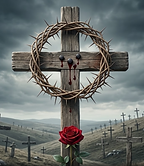


Many are called but few are chosen

The phrase "Many are called, but few are chosen" (Matthew 22:14; see also Matthew 20:16) serves as a defining summary of how the Kingdom operates, cutting through superficial religious participation.
In its original context, it is delivered at the conclusion of the Parable of the Wedding Feast (Matthew 22:1–14). The distinction between the "called" and the "chosen" addresses the stark difference between hearing a message and truly living in covenant alignment with it.
1. The Call Goes Out Universally
The "call" is the wide, generous invitation issued to humanity. In the parable, the king sends servants out to invite guests to the wedding banquet of his son.
The invitation extends broadly to all sorts of people.
Hearing the invitation, attending church, reading Scripture, or identifying culturally with faith places a person squarely in the category of the called.
However, mere reception of the invitation does not guarantee entry into the Kingdom.
2. The Wedding Garment: What Distinguishes the "Chosen"
At the climax of Matthew 22, the king enters the banquet hall and notices a guest who has arrived without wearing a wedding garment. When asked how he came in without one, the man is speechless. He is bound and cast out into outer darkness.
In the culture of the ancient Near East, the host of a royal wedding provided the proper wedding attire for the guests upon arrival.
To refuse the garment and wear one's own clothing was an open insult to the king—a statement that one’s own ordinary, dirty attire was good enough for the royal table.
Throughout Scripture, clean, white garments represent the righteousness and faithful obedience of the saints (Revelation 19:8), as well as being clothed in the righteousness of Christ rather than self-made righteousness.
The man wanted the feast, the seat, and the celebration, but on his own terms. He was called, but he refused to be properly prepared.
3. The Narrow Gate
Yeshua expresses the exact same principle on the Mount:
The broad road is heavily traveled; many walk along it because it demands no change of garment, no self-denial, and no submission to God's commandments (Matthew 7:13–14).
The narrow gate and difficult path attract few, because passing through requires laying down worldly customs, self-justification, and selective obedience.
Many will say on that day, "Lord, Lord," pointing to their outward religious activities, yet He will declare that He never knew them because their lives were marked by lawlessness rather than doing the will of the Father (Matthew 7:21–23).
4. How the Called Become the Chosen
Scripture does not present the "chosen" as arbitrary favorites, but as those whose response to the call is wholehearted repentance, active faith, and enduring obedience.
Hearing vs. Obeying: The called hear the Word; the chosen surrender their lives to it and bear fruit (Matthew 13:23).
Making Your Calling Sure: The Apostle Peter echoes this exact reality when he writes to believers: "Be all the more diligent to make your call and election sure, for if you practice these qualities you will never fall" (2 Peter 1:10).
The call is offered freely, but the chosen are those who willingly put on the garment of righteousness, count the cost, and walk faithfully to the end.
bottom of page